Table of Contents
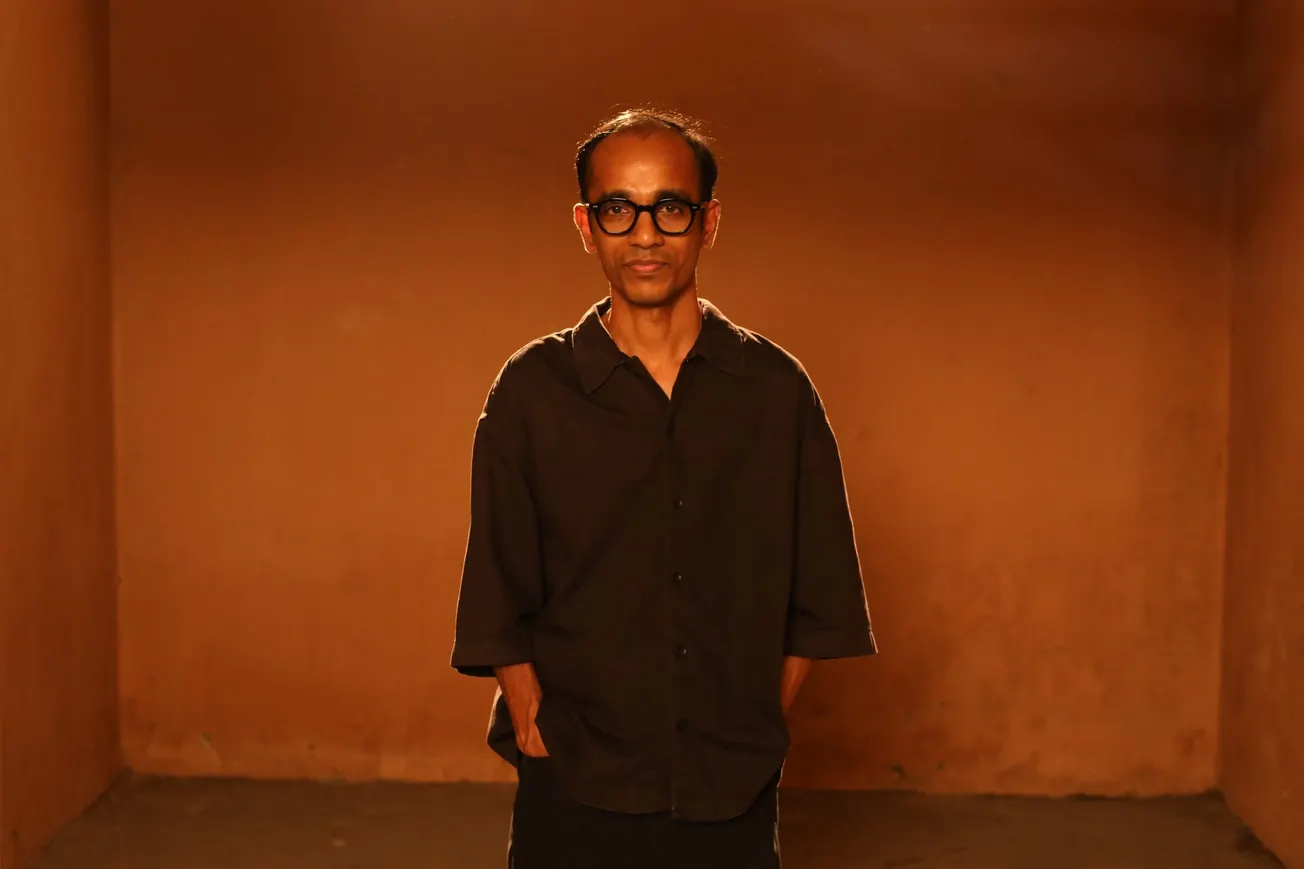
Darbuka Siva's latest work as composer is Dayal Padmanabhan’s Lakshmikanthan Kolai Vazhakku, a period drama set in the late ’60s and early ’70s.
The name in the title, Lakshmikanthan, has fueled speculation that the film is about the sensational murder of a journalist called Lakshmikanthan that landed the legendary singer-actor M K Thyagaraja Bhagavathar (1910-59) in jail.
"The film has nothing to do with Thyagaraja Bhagavathar," Siva told Hit in an exclusive interview. "It is just that Dayal thought the name was intriguing."
Lakshmikanthan Kolai Vazhakku is actually a contemplation on capital punishment, and is based loosely on a real-life incident, says Siva.
Siva, who has scored for nine films and two web series, had no knowledge of Dayal Padmanabhan's work before they collaborated on this film.
“I honestly didn’t have any idea when I met Dayal. I went into the project with a clean slate,” Siva says.
"I knew he wanted to tell meaningful, honest stories. Once he started narrating the story, I saw it was about humanity’s existential questions. Civilisational questions. Dayal is an observer. In the age of social media where everything is judged, he’s an observer.”
Although the film goes back six decades, Siva didn't set out to make period music. He told the director he would make it contemporary. And "organic".
The album has three songs. Kaadhal seiveer, written by Subramania Bharathi, is sung by Vijay Prakash. Another song is rendered by the folk singer Bala.
The third, Muththam kodu, is a poem by Bharathidasan, the poet after whom a university is named in Pondicherry. Bharathidasan was a protege of Subramania Bharathi, and that is why he gave himself that name– "Bharathi acolyte".
Bala says making the song was an intense experience. "It gets into you in a different way. Hits you. We finished it with a heaviness in the heart,” he says.
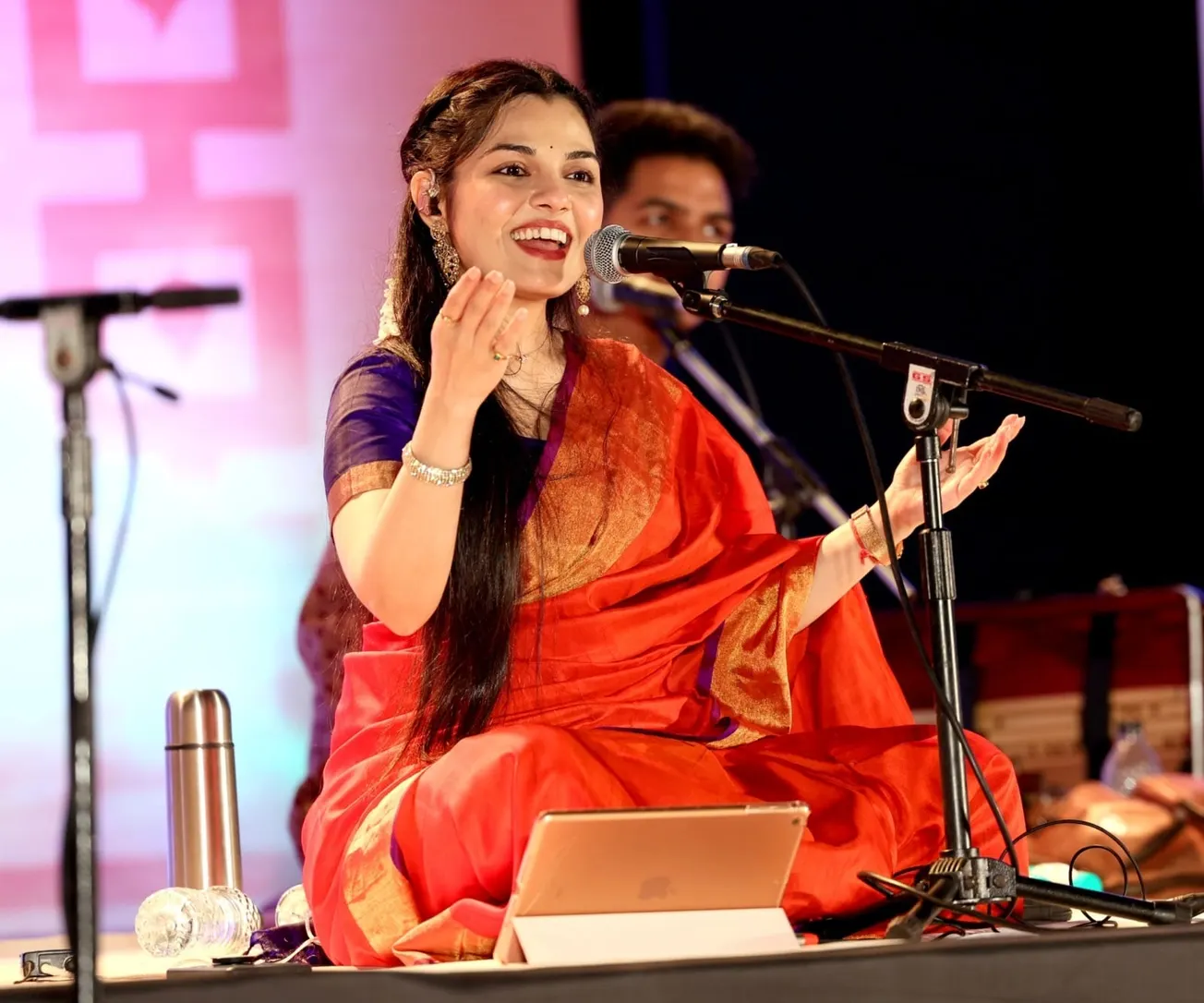
The song comes at a poignant moment in the film— “a mother lamenting for the son.” Siva brought in singer-composer M D Pallavi to render it.
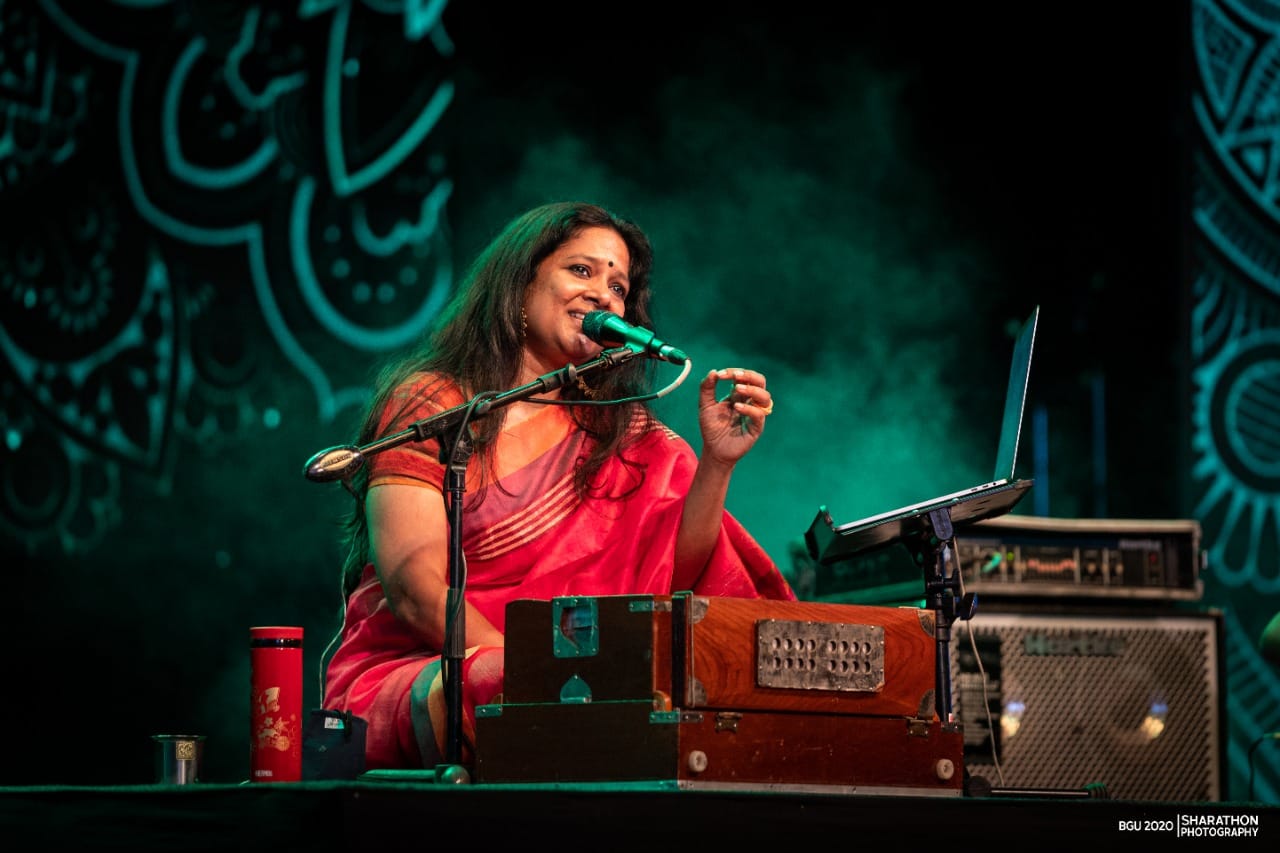
Pallavi is well-known for her work in Kannada films, theatre, and sugama sangeeta. When Dayal Padmanabhan told him about Pallavi, Siva had a question: Can she sing in Tamil? That doubt was dispelled soon, when Pallavi went to a studio in Bengaluru and recorded his tune.
“I told her she could feel free, and bring in her life and emotions into the song." he says.
Muththam kodu is his favourite--he finds it profoundly moving. “She recorded it and just threw her voice out. Raw. Heart out. That’s what the scene needed,” he says.
Whether it’s composing or directing his own film Mudhal Nee Mudivum Nee, Siva returns to that one word: observer.
“I’m not here to judge. In life, in music, on the sets. I’m trying to see. To understand what moves us.”
Siva says his inspiration in music comes not so much from formal study as from observation.
“And as a writer, I channelise the characters and stories that I have read. Everything I do, I’m trying to find answers for the larger questions of life, of existence itself,” he says.
He says he is constantly trying to analyse: "What are we sad about, what are we happy about? What matters to us, what annoys us? What are our predicaments, our joys?”
But the demands his multiple roles make on him are wildly different.
“As a writer I’m inspired by artists and painters. As a director, I’m inspired by sports people and athletes,” he says.
“Direction is logistics. People management. Execution. You have to be fit — mentally and physically. Go to the sets, be on time. Everybody comes to you with questions. ‘Is the costume okay?’ Actors come to the sets with their own emotions. You have to make them deliver their best.”
His model? “A football manager. Like Jurgen Klopp. A match is on... That’s directing.”
The writers he returns to are different company altogether: “Bergman, Fellini, Woody Allen. And Joachim Trier from Norway.”
Siva’s musical journey was “unorthodox.” “I tried to go for music class. Didn’t work. I’ve grown my own muscle for music.” He says he also embraces his mistakes as they contribute to his style.
He doesn't think too hard about chords, and the theoretical rules of what should follow what. He is not too familiar with ragas either, although he has worked with renowned classical musicians such as Bombay Jayashri and Ganesh-Kumaresh.
Growing up in Chennai in the “pre-YouTube era,” he calls himself lucky. “We had access to so many cultures and communities. The Anglo Indians were listening to Elvis Presley, ABBA, Boney M. I got to see how The Beatles... how they talk about love — as opposed to A R Rahman. I was listening to their songs just as sounds and trying to absorb how much of their culture comes through,” he says.
Even his name was accidental. He plays the darbuka, and other percussion instruments, and was performing when he acquired a stage name.
“I’m not a fan of prefixes. ‘Darbuka’ happened because Siva is such a common name. A DJ said, ‘Let’s add something.’ I was opposed to the idea. But they printed an invite with it and it stuck. Now I just go with it.”
Darbuka Siva’s score for the Tamil film ‘Lakshmikanthan Kolai Vazhakku’, directed by Dayal Padmanabhan, is out on YouTube. The film, set for a July release, stars Vetri and Brigida Saga.